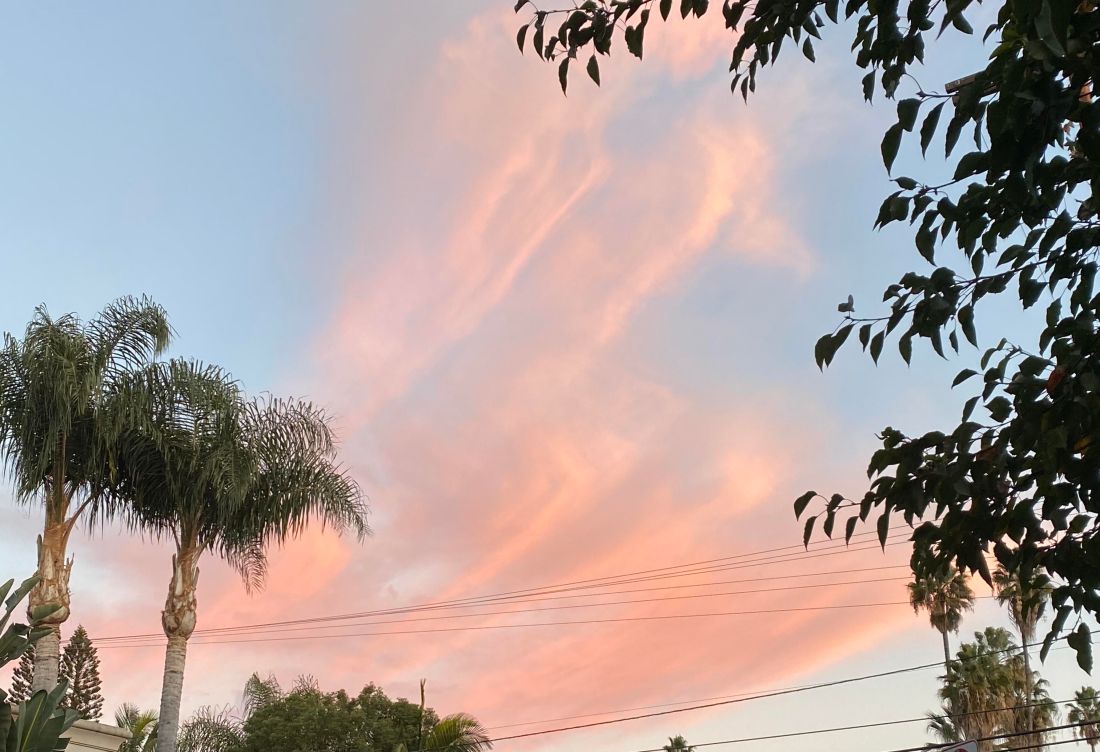
Are We There Yet?

At one time or another, all parents have shared in the universal, yet painful, experience of hearing the words “Are we there yet?” It is typically uttered roughly 379 times, in a shrill, whiny fashion, before we lose it a tiny bit with whichever child cannot help themselves but ask, yet again. So it is in that spirit, that I also dare query whether or not we are there yet. Are we finally through with this discombobulated, chaotic, mass casualty dumpster fire that is 2020? Perhaps not, but like all the countless, persistent children, I cannot help but ask. 

Recently I took some time to reflect a bit more on the irony of hosting a conference on adversity and resilience during the most collectively adverse year in either recent or distant memory. For many of my patients and families, as well as many of your own families, 2020 has underscored the acute on chronic nature of adversity and trauma. 

Many have experienced job loss, food and housing insecurity, loss of loved ones (and the added grief of knowing some of them passed alone), illness, including COVID, and in some cases, long term sequelae–the aptly-termed “long-haulers.” 

In addition, there has been loss of insurance and/or other benefits, lack of access to medical care or understandable fear of accessing care, limited ancillary support services (such as physical or occupational therapy or mental health services), especially those previously provided through schools, and lack of reliable, safe transportation.

Even for those fortunate enough to retain employment, there have been professional hurdles—especially for those working from home while moderating virtual learning, the inherent stress of homeschooling—with its tech/wifi issues and lack of available space, childcare issues for those who cannot work from home, the risk of COVID exposure as essential workers, and the very real fear of becoming ill and/or exposing others.

There are those who, like me, have not seen extended family for nearly a year, those experiencing caregiver fatigue while caring for family members with COVID or chronic illnesses (further exacerbated when trying to limit other in-home caregivers/nurses). Then there is the loss of connection with community, reduced access to green spaces, or risk of COVID while visiting them, the pandemic 15/quarantine 19 (depending upon your level of stress eating), and extreme physical and social isolation.

And while it is unfathomable that we add to this already daunting list, I would be remiss to not highlight the toxic stress manifested in times of political uncertainty, as well as violent conflict in other countries, and the 400 year war of racism that continues to wage in this country. 

However, this seemingly exhaustive list of stressors is not meant to overwhelm or cause despair. Though I would be lying were I to say that there aren’t some days in which it does feel overwhelming. Honestly, there are days in which the political, social justice, and medical victories feel overshadowed by hundreds of thousands of lives lost to COVID…overshadowed by the loss of George, Breonna, Ahmaud, and countless others. But for those times when resilience feels almost unattainable and reparations seem to not be actualizable, I hope we can reflect on those who have passed and allow their memory to fuel and energize the fight ahead of us. Because in order to tackle not only the acute, pandemic-related adversity, but dive deeper to address the adversity caused by structural racism and poverty, we will need every bit of that energy.  

So rest up and stock up, as masks and vaccines (not toilet paper) will be your ammo in the fight ahead. And while we aren’t there yet, I believe we will get there. 
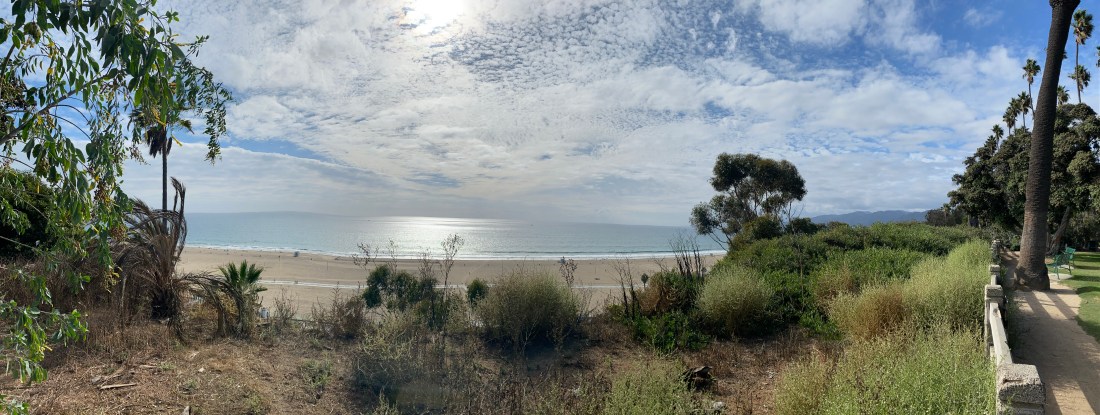
Not so coincidentally…

My closest friends and loved ones know that, even when I haphazardly throw around trite phraseology such “coincidentally,” or “as luck would have it,” that I am being dismissive and inauthentic. Those who love me know that I do not believe in coincidences. 

So I do not think it mere coincidence that my youngest child, whose name means “victory,” was born prematurely amidst difficult circumstances, and developed type 1 diabetes as a toddler, celebrated World Diabetes Day during Diwali (the Hindu celebration of victory of light over darkness). 

I do not think it is coincidental that during what will surely be touted as one of the most significant, most painful years in our country’s history…a year that has seen unimaginable death, hardship, abject fear, and further widening of disparities that have existed for hundreds of years…that we are finally taking some small steps towards racial equity.

And I do not regard it as coincidence that during the week of an historic election, in which love and equity won by a far narrower margin than many of us would like, that my own professional and personal interests intersected as I hosted a conference on adversity, resilience, trauma, and reparations. 

As such, and in the spirit of acknowledging that sometimes God and the Universe are more intentional than I realize, I share with you my opening remarks from the conference. 

My name is Dr. Piper Calasanti, and I am a pediatrician at Children’s Hospital Los Angeles. I want to welcome you today to the childhood adversity, resilience, and mindfulness conference, otherwise known as CHARM.

About a year ago, I sat in a large lecture hall with a few hundred of my colleagues, listening to Dr. Nadine Burke Harris, our first California surgeon general, speaking about Adverse Childhood Experiences (ACEs). At the time I was working on editing my manuscript, which is essentially a memoir of my life. Although I had never really thought about my own life in terms of any particular academic verbiage pertaining to trauma, I sat there, staring at her slides and tabulating my own score. As the realization sunk in that I clicked off eight of the original ACEs (out of ten possible), in addition to a few of the other supplemental areas of adversity, it highlighted the importance of two things.

First off, although my score of eight should, statistically speaking, portend some poor health outcomes for me (cardiovascular disease, hypertension, etc.)….aside from being a cancer survivor, I otherwise consider myself to be fairly healthy. Yes I know it’s risky to even put that out there into the Universe. No, I am not intentionally tempting fate. So let’s all just agree to take it as gratitude and illustration that the mere experience of adversity does not always necessarily relegate one to a predestined path. 

Now I must absolutely press pause and acknowledge that I had a number of things working in my favor, not the least of which is being white, third generation, speaking English, having some bonded familial relationships, and having a mother who learned to be fairly savvy in terms of navigating services that were available. And despite cultivating, which is a nice way of saying clawing and scraping together, a sense of optimism that has, at times, bordered on pathological, there is no denying the role of those other factors. 

Second off, sitting in that room reminded me of the incredible amount of work there is still to be done…individually, professionally, and at a societal level. Now if that isn’t the theme of 2020, as well as the 400 years before that, I don’t know what is.

Four years ago, on election night, I found myself pacing aimlessly through the hospital, not because I was working, but because my youngest child was admitted, having just been diagnosed with diabetes at 20 months of life. I had only recently fully committed myself to the arduous work of breaking intergenerational cycles, and yet now I found myself facing a different hurdle. Watching election results trickle in, I feared the dissolution of all the various health and other related safety nets for my patients and, as a single mom of three, my own family. 

While my lived experience, and the lived experience of countless others, highlight the absolute necessity of protecting the personal, familial, community, and societal assets that mitigate toxic stress, there is still an incredible amount of work to accomplish. And while at many moments, just in the last few months alone, that work has felt insurmountable, especially regarding achieving equity, we have to maintain hope that it can, in fact, be actualized. 

Some days that hope may be merely a tiny spark, other days we may allow ourselves the luxury of fanning it into a flame. 

But it must continue to exist. There is far too much work ahead …. too much tireless advocacy ahead…too much essential activism awaiting us, to let that flame die out. And while some days, or even some weeks,  we may need self-care, self compassion, and rest, may it allow us to emerge refreshed and hit the ground running once again. 

So in the spirit of taking those first steps, whether you run or walk, I am grateful that all of you have shown up to accompany one another on this journey to build resilience, but also to reimagine a world in which true equity diminishes the need to engineer so much resilience in the first place.

Thank you. Welcome to CHARM. And, in solidarity, let us embark.